As I said last time, the book of Isaiah appears to be a kind of group project: with Isaiah’s disciples adding to his prophecies through the years. This is why people talk about “second Isaiah” and “third Isaiah” — the prophecies in the book span a period of time longer than any one man’s life — longer than any two men’s lives.
Isaiah 40 begins the section generally attributed to “second Isaiah.” (I once had someone ask me where in the Bible they could find the book of “second Isaiah” because they had heard their pastor quote from it the previous Sunday.) Whatever name we might give to the prophet, the setting is important: this prophecy comes from the end of Israel’s exile in Babylon.
Vs. 1, 2 (English translation: NRSV):
נַחֲמ֥וּ נַחֲמ֖וּ עַמִּ֑י יֹאמַ֖ר אֱלֹהֵיכֶֽם׃
Comfort, O comfort my people, says your God.
דַּבְּר֞וּ עַל־לֵ֤ב יְרֽוּשָׁלִַ֙ם֙ וְקִרְא֣וּ אֵלֶ֔יהָ כִּ֤י מָֽלְאָה֙ צְבָאָ֔הּ כִּ֥י נִרְצָ֖ה עֲוֹנָ֑הּ כִּ֤י לָקְחָה֙ מִיַּ֣ד יְהוָ֔ה כִּפְלַ֖יִם בְּכָל־חַטֹּאתֶֽיהָ׃
Speak tenderly to Jerusalem, and cry to her that she has served her term, that her penalty is paid, that she has received from the LORD’S hand double for all her sins. (NRSV).
It’s an optimistic message. It’s a message of comfort (נָחַם) The time of exile is coming to an end. The future is greater than they could imagine: “she has received from the LORD’S hand double for all her sins.” The future will be doubly greater than the time of exile was bad.
Then prophet hears a voice — the voice of God. This prophecy begins not with a vision, but, first of all with a voice. So, also, the beginning of the ministry of Jesus of Nazareth begins with a voice: the voice of John the Baptizer. The voice is a call to hope, an exhortation to believe, to serve, to look to the future in expectant hope.
 Voices of hope are often heard to hear. Hopelessness has a kind of attraction. It doesn’t demand anything of us. Cynicism distances us from whatever is going on around us: allowing us to criticize other people in an attitude of cool detachment. We embrace hopelessness to shield ourselves from the disappointment of hopes that fail. To hope and to fail makes it hard for us to hope again.
Where the Hebrew has “comfort” (נַחֲמ֥וּ), the Greek Septuagint has παρακαλεῖτε which can also mean “urge” or “exhort.” (I can’t help but think of the related noun παράκλητος, used to refer to the Spirit of God in the Gospel of John: the Paraclete.) The voice of the God of comfort rouses out of the sleep of hopelessness into life and trust and daring again. We are urged forward by the voice of God. And, at the same time we are assured of God’s presence with us.
“Speak tenderly to Jerusalem….” That is: (דַּבְּר֞וּ עַל־לֵ֤ב) Speak to their heart.
Vs. 3-5
ק֣וֹל קוֹרֵ֔א בַּמִּדְבָּ֕ר פַּנּ֖וּ דֶּ֣רֶךְ יְהוָ֑ה יַשְּׁרוּ֙ בָּעֲרָבָ֔ה מְסִלָּ֖ה לֵאלֹהֵֽינוּ׃
A voice cries out:
“In the wilderness prepare the way of the LORD,
make straight in the desert a highway for our God.
כָּל־גֶּיא֙ יִנָּשֵׂ֔א וְכָל־הַ֥ר וְגִבְעָ֖ה יִשְׁפָּ֑לוּ וְהָיָ֤ה הֶֽעָקֹב֙ לְמִישׁ֔וֹר וְהָרְכָסִ֖ים לְבִקְעָֽה׃
Every valley shall be lifted up,
and every mountain and hill be made low;
the uneven ground shall become level,
and the rough places a plain.
וְנִגְלָ֖ה כְּב֣וֹד יְהוָ֑ה וְרָא֤וּ כָל־בָּשָׂר֙ יַחְדָּ֔ו כִּ֛י פִּ֥י יְהוָ֖ה דִּבֵּֽר׃
Then the glory of the LORD shall be revealed,
and all people shall see it together,
for the mouth of the LORD has spoken.”
Again: a voice. To me, I see no reason to think this is not the same “speaker” as before — though the old commentators spent a lot of time and speculation on the issue of the probable identity of these voices.
Here is where the Gospel of Mark begins: “The beginning of the good news of Jesus Christ, the Son of God.” (Ἀρχὴ τοῦ εὐαγγελίου Ἰησοῦ Χριστοῦ [υἱοῦ θεοῦ].) The voice of John the Baptizer!
“As it is written in the prophet Isaiah,
“See, I am sending my messenger ahead of you,b
who will prepare your way;
the voice of one crying out in the wilderness:
‘Prepare the way of the Lord,
make his paths straight,’””

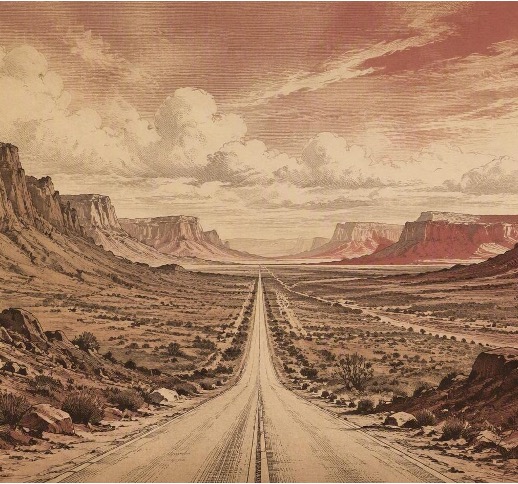
A highway is to be prepared in the desert, also called the wilderness. The path is through the desolate areas. The Hebrew reference is specifically to the Arabah, which would be the wrong direction for the people to go — so it’s a highway through desolation for God to come to them.
Again, comparing to John the Baptizer: the preparation is a call to repentance and faith — believing that “the Kingdom of God is at hand.” A call to hope rouses us out of our complacency and selfishness, into the life of faith and hope.
The Highway is coming through the desert — a place where there are no resources. There are no natural supports for this hope. It is something God alone can accomplish. But, the glory of the LORD (Israel’s God) shall be revealed and “all people” (a universal hope) will see it. The hope is always that God’s deliverance of the nation of Israel (or Judah, as in this case) will be a witness to all people. This universalistic vision is characteristic of the whole book of Isaiah (however it was written!). God’s ultimate purposes are not confined to Israel alone. God has a purpose to bring hope and salvation to all people.
How do we know there is hope for Judah in exile and ultimately for all people? Solely because: the mouth of the LORD has spoken.
Vss. 6-11
ק֚וֹל אֹמֵ֣ר קְרָ֔א וְאָמַ֖ר מָ֣ה אֶקְרָ֑א כָּל־הַבָּשָׂ֣ר חָצִ֔יר וְכָל־חַסְדּ֖וֹ כְּצִ֥יץ הַשָּׂדֶֽה׃
A voice says, “Cry out!”
And I said, “What shall I cry?”
All people are grass,
their constancy is like the flower of the field.
יָבֵ֤שׁ חָצִיר֙ נָ֣בֵֽל צִ֔יץ כִּ֛י ר֥וּחַ יְהוָ֖ה נָ֣שְׁבָה בּ֑וֹ אָכֵ֥ן חָצִ֖יר הָעָֽם׃
The grass withers, the flower fades,
when the breath of the LORD blows upon it;
surely the people are grass.
יָבֵ֥שׁ חָצִ֖יר נָ֣בֵֽל צִ֑יץ וּדְבַר־אֱלֹהֵ֖ינוּ יָק֥וּם לְעוֹלָֽם׃
The grass withers, the flower fades;
but the word of our God will stand forever.
עַ֣ל הַר־גָּבֹ֤הַ עֲלִי־לָךְ֙ מְבַשֶּׂ֣רֶת צִיּ֔וֹן הָרִ֤ימִי בַכֹּ֨חַ֙ קוֹלֵ֔ךְ מְבַשֶּׂ֖רֶת יְרוּשָׁלִָ֑ם הָרִ֙ימִי֙ אַל־תִּירָ֔אִי אִמְרִי֙ לְעָרֵ֣י יְהוּדָ֔ה הִנֵּ֖ה אֱלֹהֵיכֶֽם׃
Get you up to a high mountain,
O Zion, herald of good tidings;
lift up your voice with strength,
O Jerusalem, herald of good tidings,
lift it up, do not fear;
say to the cities of Judah,
“Here is your God!”
הִנֵּ֨ה אֲדֹנָ֤י יְהוִה֙ בְּחָזָ֣ק יָב֔וֹא וּזְרֹע֖וֹ מֹ֣שְׁלָה ל֑וֹ הִנֵּ֤ה שְׂכָרוֹ֙ אִתּ֔וֹ וּפְעֻלָּת֖וֹ לְפָנָֽיו׃
See, the Lord GOD comes with might,
and his arm rules for him;
his reward is with him,
and his recompense before him.
כְּרֹעֶה֙ עֶדְר֣וֹ יִרְעֶ֔ה בִּזְרֹעוֹ֙ יְקַבֵּ֣ץ טְלָאִ֔ים וּבְחֵיק֖וֹ יִשָּׂ֑א עָל֖וֹת יְנַהֵֽל׃
He will feed his flock like a shepherd;
he will gather the lambs in his arms,
and carry them in his bosom,
and gently lead the mother sheep.
 We have here a succession of images: Human flesh is like grass —>Voices on a high mountain proclaiming good tidings —> Israel’s God coming with might and favor —> God caring for the people like a shepherd. The succession of images is a bit jarring. Weakness —> Proclamation —> Might —> Shepherding. But, the point is that while the nation is weak and captive, God is powerful and caring.
In verse 6 a new voice enters: a voice that calls the hearer to proclaim the frailty of human life. Human hopes disappoint because human life is like grass — it has no permanence. In the New Testament, James speaks of our life as being like a mist. Our life passes. Human hopes are built on a weak foundation.
In spite of this, the herald of hope needs to stand on a high mountain. The exiled nation’s hope is in God, not in the insubstantial plans of human beings. Human lives will come and go — God’s proclamation will stand.
The final image is a pastoral image: God caring for the nation as a shepherd would care for a flock of sheep. this is a common Biblical image in the Psalms, it also appears in the prophecies of Ezekiel, and in the New Testament Gospels (especially the Gospel of John).

FOR KO-FI MEMBERS: There are sermon preparation files for a message on this passage (coupled with Mark 1:1-18) in the shop. I have given the message an Advent theme, appropriate for the second Sunday in Advent. As usual, these are in PPTX and ODP formats. You may download these and use them however you wish. You can find them here: Isaiah 40:1-11 A Highway for Our God.