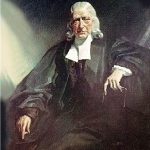
Following in the tradition of John Wesley, the Methodist outlook on theology is thoroughly based on scripture, but also enlivened through tradition, experience, and reason.
Methodists believe that “all Scripture is given by the inspiration of God.” They believe that the written Word of God is the only and sufficient rule both of Christian faith and practice in life.
Methodists live in a vital faith relationship with God. They turn from sin, and turn to Christ in faith. It is faith in Christ alone that can reconcile us to God.
Here is an alleged John Wesley quote frequently encountered on Social Media and on Internet quote sites: Did John Wesley say (as it is claimed, for example here):
Once in seven years I burn all my sermons; for it is a shame if I cannot write better sermons now than I did seven years ago.
NO! He quoted someone else (“a good man” he says) who said this — and then said that he disagreed with this idea! Now, look. It’s just not reasonable that he advocated burning his old sermons. He published many of his sermons — even ones he no longer fully endorsed! How could he do that if he burned them? He didn’t burn them, and it’s not reasonable to think he advocated doing so! Here is the relevant entry from John Wesley’s Journal: September 1, 1778:
John Wesley saw the Methodist movement as a return to the original life & faith & experience of Christianity. He wanted to return to the faith of the apostles and the early church — to find that same dynamic quality of faith and life that the early Christians had. So, Scripture had a place of central importance in Wesley’s teaching and preaching.
In Wesley’s view, devotion to the teachings of the Scripture is absolutely essential for the task of keeping and renewing the Christian faith.
So, in light of this, I’ve gathered together on this page everything substantive that John Wesley said about the Bible. I have not attempted to “tone down” or alter any of his opinions — though I have updated the language in the first quote. My goal here has been completeness.
Yes, there is some room for argument about what he may have meant by some of these remarks — of course. And, I certainly wouldn’t say the man was in any way infallible. A very valuable line of inquiry would be: how did this actually work out in practice, as he commented on Scripture in his Explanatory Notes.