
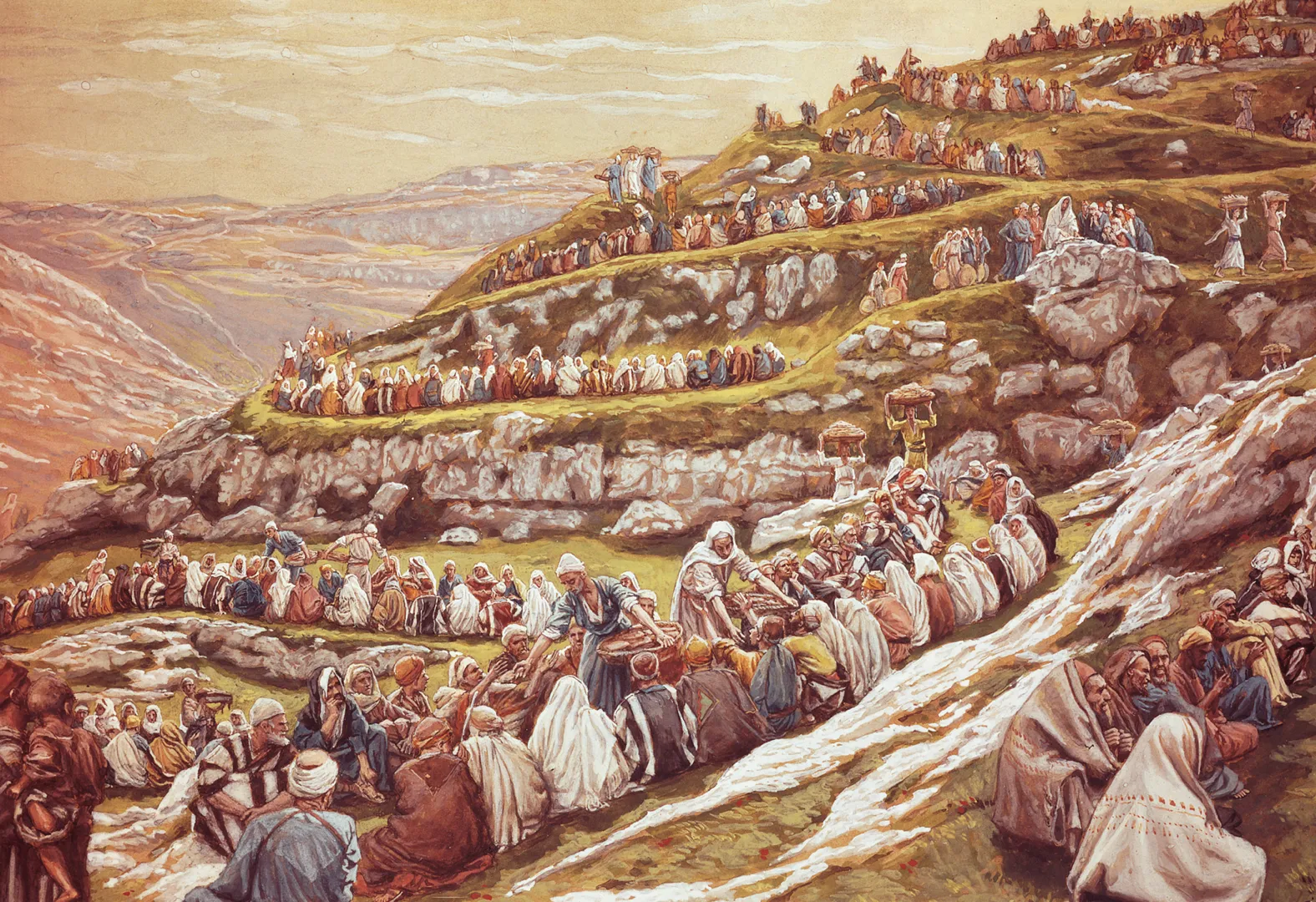
I’m just pulling together a few reflections on this story today. I won’t be going through the passage verse by verse. Just a few thoughts especially for preachers, but also for everyone.
(1.) It’s a narrative: present it in a narrative style. This one of my long standing frustrations with preaching & listening to preachers: how do we make our message more story-like and less essay-like? I have been asked by lay speakers and aspiring preachers: how do you preach on a story?
The question should be: how do I preach on something essay-like like the Pauline epistles — where story needs to be supplied by me?
I actually enjoy reading 19th Century preaching. But, I would never want to preach like that. It’s too dry and logical and formal. It goes on far too long. It’s all propositional. It does not respect human nature. We are still like little children in a way: we want someone to read us a story.
When God wanted to communicate with us, God inspired the minds of story-tellers. The Bible is one long inter-connected story. Christian faith sees the whole of the Bible as having it’s focus in Jesus Christ.
Preach stories. Preach the story of Christ. Make the essay-like portions of the Bible more story-like. Let the story-like passages carry you forward by their own energy. The late evangelist Billy Graham often did this — allowing the story to carry his message.
Confession: My life-long frustration is learning this, trying to get better at this: learning to let ideas flow because they need some sort of narrative structure to communicate best.

(2) It’s a story about Jesus. I cringe a bit when the preacher announces this text. That’s because I’m a United Methodist and “mainline” preachers are embarrassed by the miraculous elements in the Bible. So, it seems like the safe route here to turn this into a story about the need for the crowd to share their lunch with each other. One preacher I heard went on to claim that this was the greater miracle, anyway. But, if it hadn’t been for the (felt) need to avoid the miraculous element in the story, this story would never have been turned into the story of everybody-share-your-lunch in the first place! In the attempt to avoid the miraculous, the whole focus of the story is changed. Instead of being a story that focuses on Jesus, this becomes a story about the crowd.
But, this story only became known and spread in the first place because it pointed to the uniqueness of Jesus in providing nourishment when there (essentially) was none.
(3) It’s a connected story. Nevertheless, in telling this story the preacher should not just draw out little unconnected life-lessons and move on. Like other messages, thought needs to be given to the main point (and minor points) one wishes to convey. That is because the message needs focus to communicate well.
(4) The event here was understood to be a miracle. You need to get over any hesitancy you may have about that. You can’t explain a miracle. So, there’s nothing wrong with saying: ‘I don’t know what happened here or how.’ But, here is what we are being told through this story: we place what we have in the hands of Jesus and it becomes enough. Or: something like that. There are plenty of mysterious things in the world. We will never fully understand this one (personally: I can’t envision this:, what did it look like?).

(5) It seems like a good idea to connect this story with the sacrament of holy communion. This story is about grace being conveyed through everyday objects. We are in the habit of making miraculous claims about what God accomplishes in Holy Communion, too. I do not fully understand Christ’s presence in the bread and cup. But, I am thankful for it, and receive it by faith.
(6) But, nonetheless, it is a story about sharing what you have. So, now I turn around and say a good word for the everybody-shared-their-lunch interpretation. Jesus says to them: “They need not go away; you give them something to eat.” (verse 16). So, it really is (in part) about the disciples’ willingness to use what they had to provide for the people rather than just send them away (verse 15). We aren’t told anything about additional resources the crowd had.
For members of my Ko-fi site: I uploaded sermon presentation files for a message on this passage.
These are in two formats: PowerPoint and Open Document. They can be downloaded from the Ko-fi shop: Here.
Leave a Reply